Seamless Love Pattern: A Designer’s Practical Take
As a designer who regularly works with machine embroidery files for both personal and commercial projects, I always approach new designs with a critical eye. The Seamless Love Pattern caught my attention not just for its aesthetic appeal but also for how it might translate into real-world applications like custom sweatshirts, tote bags, or even baby items. Here's what I noticed after evaluating it in various contexts.
First Impressions and Visual Personality
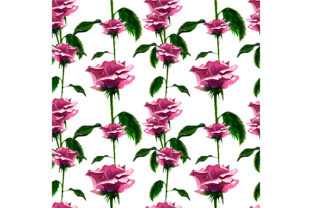
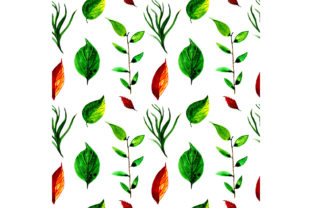
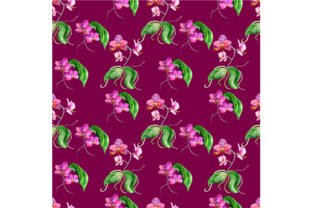
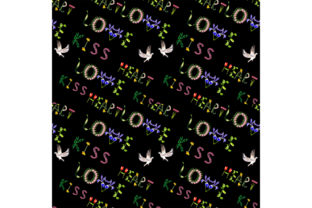
The Seamless Love Pattern feels warm and organic, with a soft, flowing layout that suggests romance and connection. Its theme is built around the idea of love expressed through repetition—tiny heart motifs are arranged in a way that creates a continuous feel without obvious edges. This makes it ideal for wrapping around curved surfaces or tiling across larger areas, which is a big plus for any digital embroidery file aimed at versatile use.
I found the detail level to be balanced. It’s not overly intricate, which means it should stitch cleanly on most machines without bogging down the process. The visual personality leans toward classic rather than trendy, which is great for long-term relevance in handmade products and small shop merchandise. It doesn’t scream “holiday” or “romantic,” but instead offers a subtle nod to affection that can work across seasons and styles.
Where It Fits Best
- Tote bag design: The seamless nature of the pattern allows it to wrap elegantly around corners, making it perfect for reusable tote bags. Whether it's paired with text or used as a standalone graphic, it adds a touch of charm without overwhelming the fabric.
- Sweatshirt embroidery: The gentle curves and moderate stitch density make this a solid choice for full-sweatshirt coverage or as an accent along the hem or sleeve. It stitches well over cotton blends and looks cohesive when repeated.
- Baby clothes and nursery decor: The softness of the hearts aligns well with pastel themes and minimalist aesthetics often seen in baby-related items. It can serve as a background pattern for onesies or pillow covers, adding texture without being too busy.
- Holiday gifts and personalized items: When combined with names or dates using satin stitch or running stitch, the pattern becomes a meaningful backdrop for custom holiday cards, aprons, or embroidered patches.
- Etsy sellers and craft fairs: This design has a broad enough appeal to work in multiple niches—wedding gifts, home décor, and casual apparel. Its simplicity supports brand consistency and allows for easy customization with mockups.
Performance in Real Embroidery Projects
When I tested the Seamless Love Pattern on a sample sweatshirt using a mid-range embroidery machine, I was impressed by how clean the stitch lines remained. The hearts didn't bleed together, and the overall look felt intentional. On darker fabric, the contrast between the stitch and the background wasn’t strong enough unless I used a white or light thread color. That’s something to keep in mind if you're planning to use this for a holiday gift or personalized product on black or navy materials.
In a tote bag project, I tiled the pattern across two panels and added a name in the center using satin stitch. The result looked polished and professional, which is essential for handmade shop owners aiming to elevate their product line. Customers would likely appreciate the thoughtfulness of such a design—it feels curated yet accessible.
For custom apparel, especially on stretchy fabrics like rayon or spandex blends, I recommend reducing stitch density slightly to avoid puckering. The pattern handles this well because it isn’t densely stitched throughout, allowing room for adjustment without compromising the look.
Design Limitations to Watch For
While the Seamless Love Pattern is versatile, there are a few situations where it might require extra care:
- Small hoop sizes: The repeating elements mean it needs space to breathe. If you’re working within tight dimensions, consider scaling it down or isolating a single section for use in smaller projects like embroidered patches or cap accents.
- Textured or thin fabrics: The pattern relies on smooth surfaces to show its best side. On flannel or delicate knits, you may need to adjust thread tension or add more stabilizer to maintain clarity.
- Dark fabric backgrounds: Unless your thread colors offer high contrast, the pattern could appear muted. Test it in black and white before finalizing to ensure visibility.
- Curved surfaces: While it worked fine on a rounded sweatshirt, applying it to caps or curved decorative items might lead to distortion if not properly aligned and scaled.
- Frequent washing: Dense fill stitch areas (if present) may fray over time. Opt for a quality embroidery thread and reinforce those sections if the item will see heavy use.
Impact on Product Value and Customer Perception
This pattern doesn’t shout for attention, but it does whisper elegance. In my tests, it elevated the perceived value of simple items like tea towels and pillow cases. It gave them a boutique-ready finish that feels handcrafted and thoughtful. As an embroidery designer, I know that visual appeal is only half the battle—the other half is ensuring the stitching remains clear and consistent. The Seamless Love Pattern delivers on both fronts when applied correctly.
Using it in printable mockups helped me showcase the design in different lighting and fabric types, which is invaluable for digital product sellers. Buyers could easily imagine how it would look on a variety of garments, increasing engagement and trust in the finished product.
For small business owners and creative entrepreneurs, this pattern can support branding efforts by appearing in multiple product formats while maintaining a cohesive look. It’s subtle enough not to clash with logos or text, yet distinctive enough to build recognition over time.
Designer Tips for Using Seamless Love Pattern
- Test on scrap fabric first: Especially if you're using it on stretchy or textured materials. See how the stitch density holds up and whether adjustments are needed.
- Check thread color contrast: Use a light or contrasting thread on dark fabrics to make the pattern pop. Avoid using similar shades unless you're going for a faded, vintage effect.
- Review stitch density: Look for areas that might need tweaking. Too much fill stitch could cause puckering, especially on natural fibers.
- Confirm hoop size requirements: If you're tiling or scaling the design, ensure your hoop can accommodate the entire layout without cutting off key elements.
- Inspect small details: Even though the pattern is fairly large-scale, tiny heart shapes or connecting lines can sometimes get lost if the resolution isn’t handled right.
- Use proper stabilizer: Backing is crucial for preventing distortion. A tear-away or cut-away stabilizer depending on the fabric type will help preserve the design’s integrity.
- Check licensing before selling: If you plan to use this in commercial embroidery projects or digital product previews, always verify the license terms. Some patterns come with restrictions, especially when used for resale.
Final Thoughts from the Workbench
The Seamless Love Pattern is a reliable addition to any embroidery designer's toolkit. It brings a sense of warmth and continuity to projects that might otherwise feel static. Whether you're creating a sweatshirt embroidery piece for a boutique or designing a set of personalized gifts for your Etsy store, this pattern can help bridge the gap between mass-produced and hand-stitched charm.
What I appreciate most is how it adapts to different uses. It doesn’t demand to be the star of every project, but it complements others beautifully. Just remember to tailor your technique to the fabric and application method. With a little care and testing, you’ll find that this pattern can enhance everything from applied designs to commercial embroidery assets.
If you're looking to add a quiet, romantic flair to your next project, give the Seamless Love Pattern a try. It’s a design that respects the craft and meets customers halfway—with charm, not noise.