Classic Abstract Floral Pattern Design Review for Real Projects
As an experienced embroidery designer and product reviewer, I’ve tested countless machine embroidery designs over the years. When it comes to Classic Abstract Floral Pattern Design, this one stands out not just for its aesthetic but for how well it translates into real-world applications. It’s a design that feels timeless yet modern, making it versatile enough to suit both personal and commercial embroidery projects.
Aesthetic First Impressions: Mood and Visual Personality
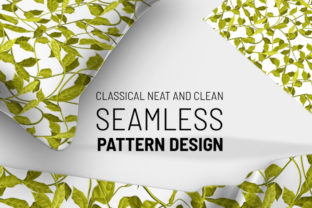
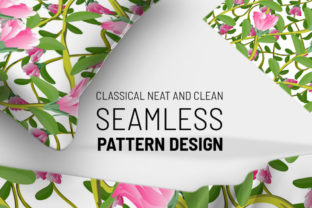
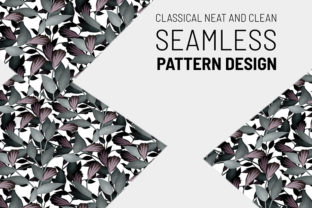
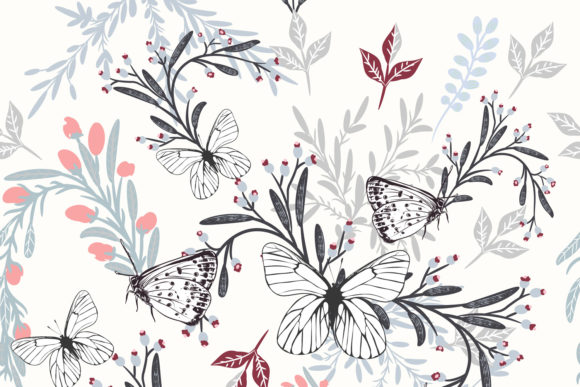
The Classic Abstract Floral Pattern Design gives off a calm, elegant vibe. The flowers are stylized, with soft curves and a slightly minimalist approach compared to traditional floral motifs. There’s a sense of balance in the layout—neither too busy nor too sparse. The abstract elements allow for creative freedom while maintaining a classic feel. This is the kind of pattern that could work on a baby onesie or a high-end tote bag without feeling out of place.
I found the detail level to be just right. It has enough character to catch the eye but isn’t so intricate that it becomes overwhelming during stitching. The visual personality leans toward sophistication, which makes it suitable for boutique branding, personalized gifts, and even commercial embroidery projects where consistency matters.
Real-Life Embroidery Use Cases
This design shines when applied to larger surface areas like sweatshirts, tote bags, or pillow covers. For example, imagine using it as a central motif on a custom sweatshirt for a holiday gift. The abstract style allows it to blend seamlessly with other decorative elements, such as small lettering or subtle borders.
It also works beautifully as an embroidered patch for denim jackets or backpacks. The clean lines and gentle flow of the pattern make it easy to adapt to smaller formats, especially if you’re looking for a subtle yet stylish accent. In a handmade product setting, like an apron for a local craft fair, the design adds a touch of class without overshadowing the item’s functionality.
For custom apparel, particularly baby clothes, the pattern brings a whimsical yet tasteful look. It doesn’t have the overly delicate features that might get lost in thin cotton fabrics, which is a big plus. And when placed on a tote bag design, it enhances the product’s value by giving it a unique, artisanal edge—perfect for Etsy sellers or handmade shop owners aiming to stand out in a crowded market.
How Customers Might React
Customers tend to appreciate designs that feel intentional and refined. With Classic Abstract Floral Pattern Design, there’s a sense of thoughtfulness in the composition. It’s not loud, but it commands attention. People who love vintage-inspired aesthetics or those who prefer understated elegance will likely respond positively.
In my experience, designs that offer flexibility in placement and scale are more engaging for buyers. This one can be used as a full background pattern or as a single floral element. That versatility means your customers—or your clients—can customize their products to fit different preferences and needs.
Where to Use It Carefully
While this design is quite adaptable, there are a few situations where it might not perform as expected. On small hoop sizes, some of the subtleties in the pattern may become less defined. Always check whether the file includes multiple resizing options before committing to a project.
Textured fabrics, like canvas or flannel, can affect stitch clarity, especially in fill areas. If you plan to use this on a kitchen towel or nursery decor, consider adjusting stitch density or opting for a simpler version of the pattern.
Also, avoid using it on stretchy fabrics without proper stabilizer. The design relies on precise shapes, and distortion from fabric movement can compromise the final result. Similarly, if you're working with dark backgrounds, ensure the thread colors provide enough contrast. A black-and-white mockup test beforehand can save time and materials.
When applying it to curved surfaces like caps or hats, pay close attention to how the design wraps around the shape. You may need to modify the layout or break the pattern into segments for better results.
Impact on Product Value and Branding
Using Classic Abstract Floral Pattern Design elevates the perceived quality of any handmade product. Its balanced structure and refined details contribute to a professional look, which is crucial for craft business owners and small shop products aiming to build customer trust.
If you're an Etsy seller, this pattern can enhance your brand's visual identity. It supports brand consistency across items like holiday gifts, personalized gifts, or digital product previews. The design’s ability to maintain its integrity across different fabric types and garment styles makes it a strong candidate for long-term use in your collection.
From a commercial embroidery standpoint, the pattern holds up well in repeat production. It doesn’t require complex adjustments unless you're tailoring it for specific niches like apparel decorators or digital product sellers. Just be sure to confirm licensing terms if you're planning to sell finished items or digital assets based on the design.
Designer Notes for Practical Application
- Test on scrap fabric first: Especially if you're using a new thread color combination or fabric type. This helps identify potential issues with stitch tension or visibility.
- Check thread color contrast: Use a light-to-medium palette for dark backgrounds and vice versa. Avoid using low-contrast threads that may fade after washing.
- Review stitch density: The fill areas are moderate, so they shouldn't cause puckering on most fabrics. However, always adjust for the specific material you're using.
- Confirm hoop size: Larger versions of the design may require a bigger hoop. Make sure the file you receive includes recommended dimensions or scaling notes.
- Inspect small details: While the overall design is simple, the flower outlines and inner patterns need clear definition. Test these at different scales to ensure they remain legible.
- Use proper stabilizer: Especially for stretchy or lightweight materials. A tear-away or cut-away stabilizer can prevent distortion and support stitch integrity.
- Test in black and white: This is a great way to evaluate how the design interacts with the fabric. Sometimes, the thread colors don’t pop as much as expected.
- Compare light and dark backgrounds: Some patterns lose their impact depending on the fabric shade. Try it on both ends of the spectrum to see which looks best.
- Check commercial compatibility: Before selling finished goods or digital files, verify that the design allows for resale under the correct license.
Giftability and Recognition
One of the standout qualities of Classic Abstract Floral Pattern Design is its giftability. Whether it’s a wedding gift, holiday gift, or a personalized item for a client, this design conveys care and craftsmanship. It’s recognizable as something made with intention, which increases buyer engagement and perceived value.
Its abstract nature also makes it more universally appealing. Unlike highly detailed or culturally specific motifs, this design avoids clichés while still being familiar and comforting. That’s a rare and valuable trait for any embroidery file.
Final Thoughts for Project Planning
Overall, Classic Abstract Floral Pattern Design is a solid addition to any embroiderer’s library. It’s not flashy, but it’s far from boring. Its simplicity and elegance give it wide-ranging appeal, from casual custom apparel to premium design assets for printables or digital sales.
Before diving into a large batch or client project, take the time to do a few trial runs. Adjust the stitch density, experiment with thread combinations, and always consider the fabric texture and intended use. These steps will help you ensure the design performs at its best and meets your expectations for a finished product.
If you're a hobbyist looking to expand your portfolio or a creative entrepreneur building a branded line, this pattern is worth considering. It offers the perfect mix of style and practicality—something every good machine embroidery design should aim for.